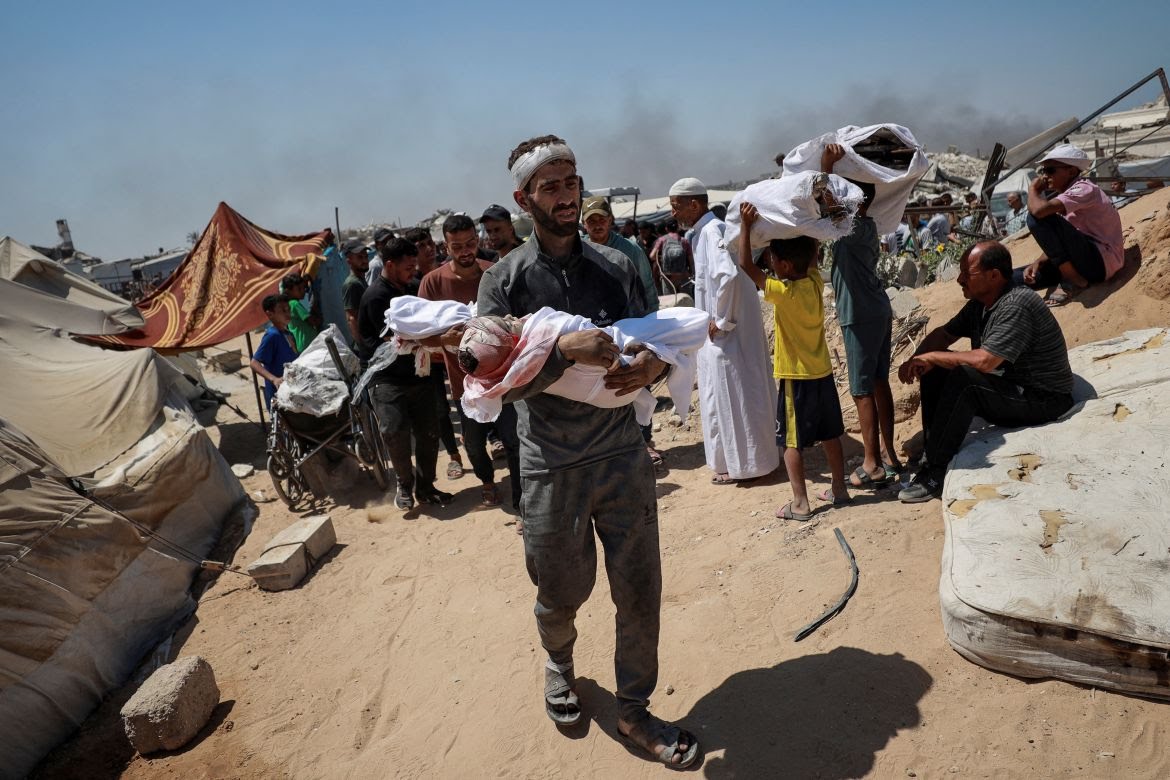
NGOs warn of an escalating health and environmental catastrophe in the Gaza Stri
533
The head of the Palestinian NGO Network in the Gaza Strip, Amjad al-Shawa, stated that the prevailing weather conditions have contributed to the spread of viruses and diseases among the Strip’s residents, warning of a worsening environmental and health catastrophe.
In a press statement on Monday, al-Shawa explained that the Strip is facing a severe shortage of potable water, in addition to the accumulation of approximately 900,000 metric tons of waste and widespread destruction of sewage networks. Furthermore, the prevention of the entry of hygiene supplies and basic necessities is exacerbating the health crisis.
The people of Gaza continue to suffer the effects of the severe cold wave and heavy rains that are battering the Strip, while the Israeli occupation continues to prevent the entry of tents and shelter materials. This further intensifies the suffering of displaced people, especially children and the elderly, particularly those with chronic illnesses, given the lack of basic necessities in the displacement camps.
In the same context, medical organizations have previously warned of outbreaks of epidemics, particularly cholera and polio, among displaced people, given the restrictions imposed by the occupation authorities on the entry of medicines and medical supplies into the Gaza Strip.
The Civil Defense Authority in Gaza also warned of the deterioration of its operational capabilities due to a lack of resources and the breakdown of equipment needed to remove rubble and carry out relief operations.
Its officials confirmed that more than 90% of the water network has been destroyed by the bombing, while more than 15 million tons of rubble are scattered throughout the Strip, with available resources insufficient to cope with this massive scale of destruction.
This comes at a time when the genocidal war waged by the occupation against the Gaza Strip for the past two years has caused a near-total paralysis of the services sector, which was already suffering from exhaustion as a result of a continuous 19-year siege.