The generator economy in Gaza… electricity powered by fuel and priced with pain
77
The electricity crisis in the Gaza Strip is no longer a mere emergency service disruption; it has become one of the most glaring manifestations of economic collapse, following the complete blackout since October 2023 and the destruction of most of the energy infrastructure.
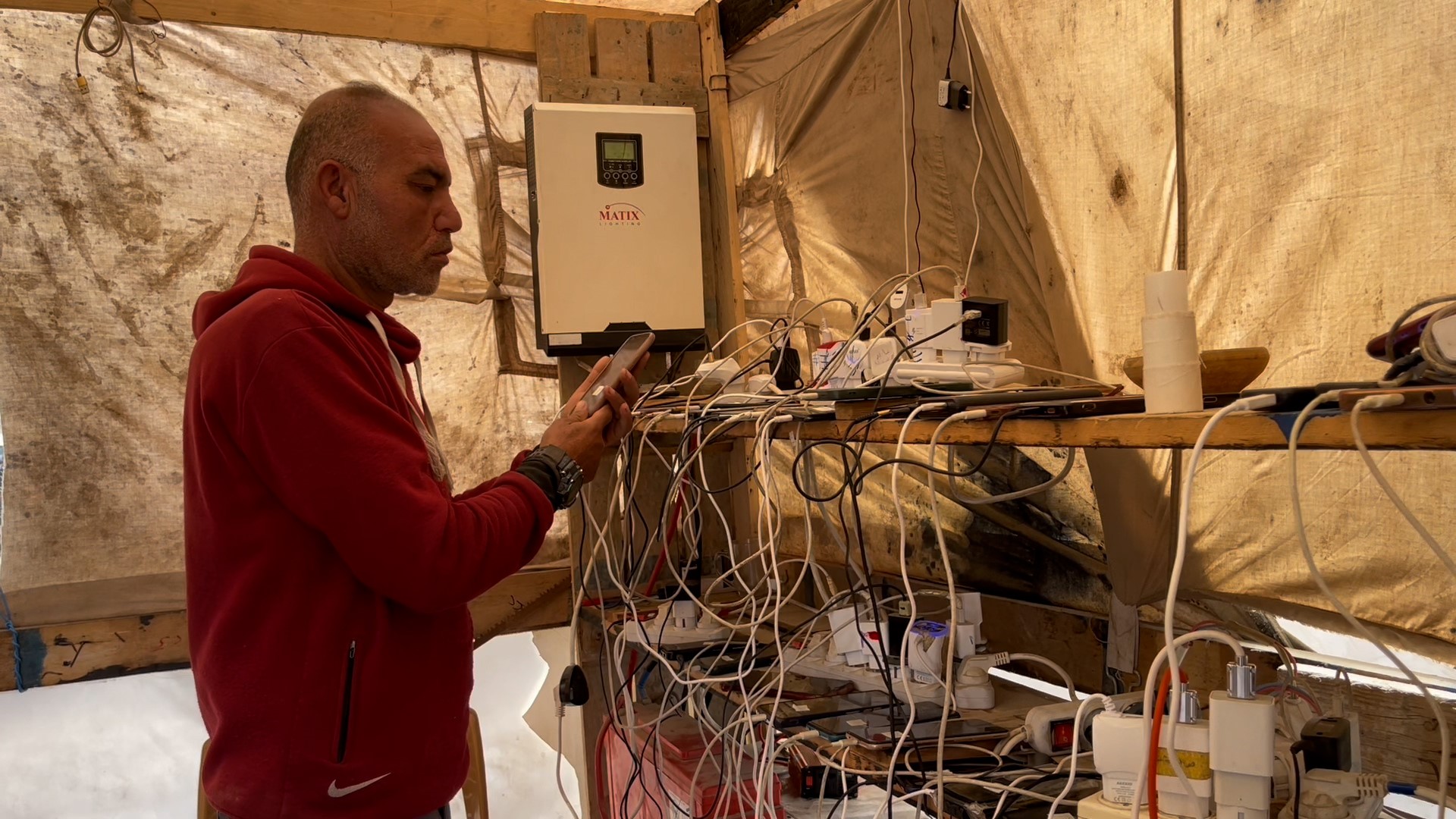
In this context, a parallel economy based on commercial generators has emerged, saving residents from darkness but imposing an exorbitant price that exceeds their capacity to bear.
Data from the Gaza Electricity Distribution Company indicates that the sector has lost approximately 2.1 billion kilowatt-hours of electricity since the start of the war due to the complete shutdown of power sources.
Initial losses in the electricity sector have exceeded $728 million, following the destruction of more than 70% of the electricity grid, 80% of equipment and vehicles, and 90% of warehouses, in addition to widespread damage to buildings and facilities.
These figures not only reflect material losses but also reveal a near-total paralysis of the official energy system, making any talk of a near-term return of electricity through traditional channels extremely complicated.
In the Deir al-Balah refugee camp in the central Gaza Strip, Omar Ayash had no choice but to subscribe to a commercial generator to secure the bare minimum of his family’s needs.
Ayash pays more than 250 shekels a month for a service limited to lighting and charging phones, at a time when he has had no stable income for months.
He says that the price per kilowatt-hour has reached about 20 shekels, a figure beyond the means of any family living in displacement and unemployment. He explains that these prices are inconsistent with the cost of fuel, especially with the availability of what is known as “industrial diesel,” which is produced locally using alternative methods that rely on processing fuel waste, heavy oils, and plastics, despite its limited efficiency and environmental risks.
While generators are supposed to be a temporary solution to fill an emergency gap, they have become a primary source of energy and the foundation of a new economic activity based on selling electricity at prices ranging between 20 and 30 shekels per kilowatt-hour. This raises the average family’s bill to about 300 shekels a month, approximately $100 USD, for a very limited service. The lack of effective oversight during the past months has opened the door to significant price discrepancies and operational mechanisms, amid accusations of monopolistic practices in some areas, where specific entities control service providers within neighborhoods and camps.