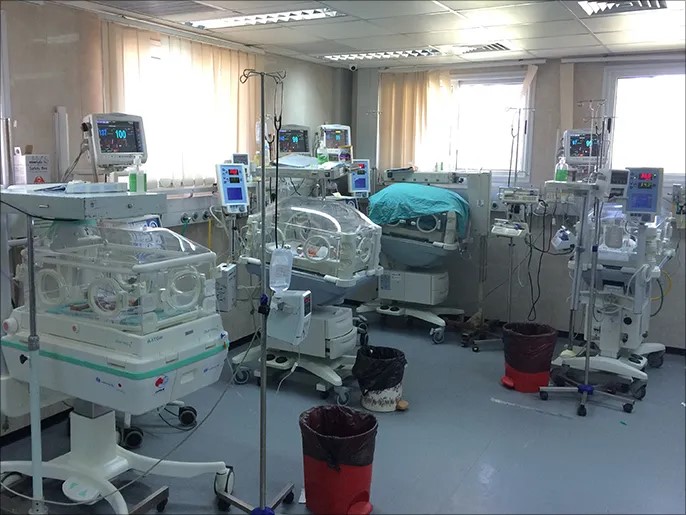
One of the tools of genocide.. How did you decline the childbirth in Gaza?
68
Having a new baby in the Gaza Strip is no longer a simple decision as it once was. It has become a step fraught with anxiety and risk in light of an unprecedented health and humanitarian crisis.
With the ongoing repercussions of the Israeli war, medical and human rights reports indicate a significant decline in birth rates. This is a result of the destruction of healthcare infrastructure, malnutrition, widespread displacement, and the psychological pressure experienced by women in the Strip.
According to recent medical estimates and human rights reports, birth rates in the Gaza Strip have fallen by approximately 41% during the war. This sharp decline reflects the significant impact the war has had on the reproductive health of Palestinians.
Destruction of the Healthcare System
Dr. Yasser Al-Aqqad, a specialist in obstetrics and gynecology, says that the decrease in the number of births is directly linked to the deterioration of healthcare services, particularly those related to prenatal care and maternal health.
He explained that many hospitals and medical centers that provided obstetrics and gynecology services were bombed or rendered inoperable, leading to a decline in the ability to monitor pregnancies or manage related health complications.
He added that medical teams continue to receive large numbers of cases daily related to threatened pregnancies, miscarriages, and births where the children suffer from various health problems.
He pointed out that acute malnutrition, constant psychological stress, and the spread of diseases in displacement settings have all contributed to the deterioration of pregnant women’s health and increased pregnancy-related risks.
Health data reflects the scale of the escalating crisis in the Gaza Strip, with medical reports indicating thousands of miscarriages and premature births in recent months.
Health institutions have also documented a significant increase in the number of babies born with low birth weight or requiring intensive care in neonatal units, at a time when hospitals are suffering from severe shortages of equipment, medicine, and medical personnel.
Al-Aqqad confirms that the health situation for women after the war has changed dramatically compared to before, explaining that many women suffer from vitamin deficiencies, anemia, and hormonal imbalances that can directly affect the stability of their pregnancies.
He added that some women also suffer from severe infections and uterine problems, in addition to the effects of psychological strهess accompanying the experience of war, displacement, and the loss of family members.