Gaza Municipality warns of an unprecedented humanitarian and environmental catastrophe due to the storm
365
The spokesperson for the Gaza City Municipality, Hosni Muhanna, warned of an unprecedented humanitarian and environmental catastrophe looming over the city as successive storms continue.
Muhanna confirmed to the Palestinian news agency Shihab on Monday that the rainstorms have created a state of extreme emergency due to the near-total collapse of operational capacity and the destruction of 85 percent of Gaza City’s infrastructure.
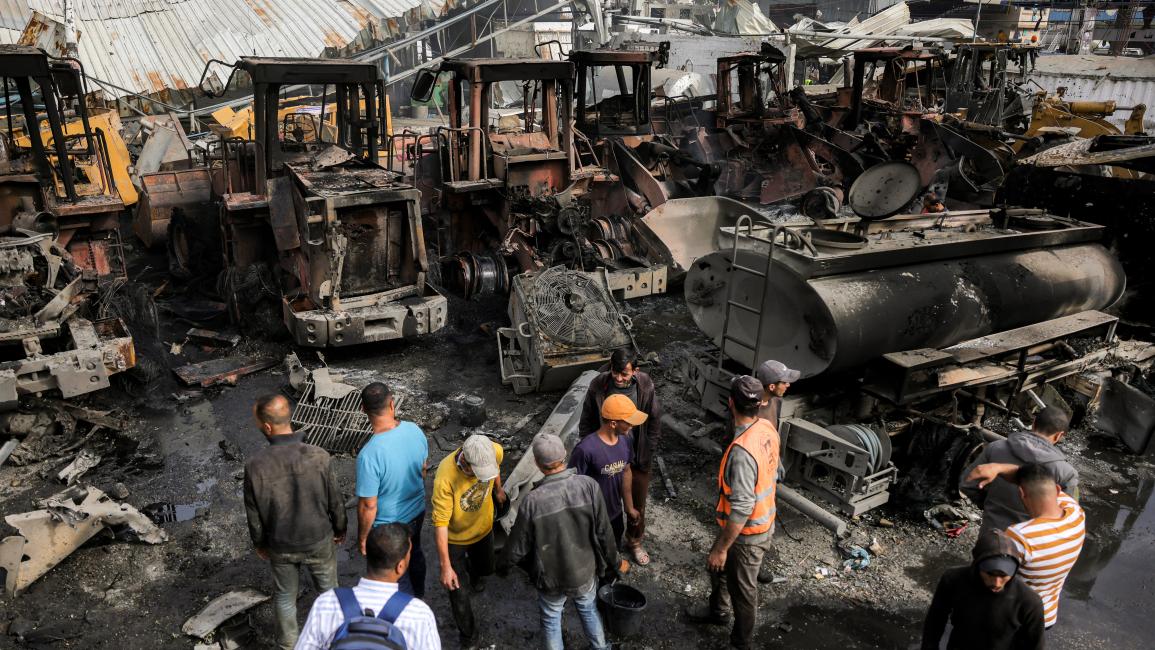
He revealed that the municipality is currently operating with virtually no resources, with its operational capacity at only 15 percent of what it was before the Israeli offensive, following the destruction of 135 vehicles and pieces of equipment.
He explained that the sewage and rainwater drainage system is now operating at only 20 percent of its capacity after the Israeli enemy destroyed all eight drainage pumps and approximately 212,000 linear meters of pipes, leaving the city vulnerable to flooding and sewage overflows with every rainfall.
Muhanna pointed out that the intensifying winds and rains are exacerbating the risks to the lives of thousands of displaced people living in dilapidated tents and crumbling buildings. He emphasized that the continuation of this situation has already led to casualties due to the collapse of some homes where residents are forced to live because there is no alternative.
He noted that with 830 kilometers of roads destroyed, the 1,250 employees of the Gaza City Municipality continue to work around the clock to try to clear pathways and remove rubble, despite the enemy targeting their staff and the deaths of dozens of them. This is all happening amidst a severe financial crisis that prevents them from receiving their salaries regularly due to the complete cessation of revenues.
The spokesperson for the Gaza City Municipality called on the international community to intervene immediately to save what remains of the city. He stressed the urgent need to allow the entry of heavy machinery, maintenance equipment, and fuel, and to provide safe shelter solutions for the residents before the health and environmental catastrophe threatening everyone worsens.