Gaza Health Ministry: Slow procedures at Rafah crossing threaten the lives of more than 20,000 patients
1,184
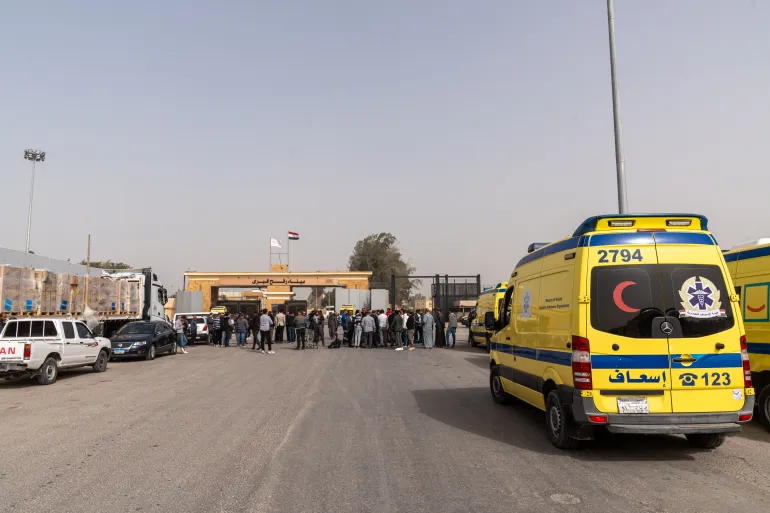
The Ministry of Health in the Gaza Strip stated that more than 20,000 patients and wounded individuals are waiting to travel abroad for medical treatment. The Ministry called for the permanent and regular opening of the Rafah border crossing to ensure the free movement of patients without restrictions or delays.
In a statement, the Ministry expressed its concern and dismay at the continued closure of the crossing and its partial and restricted operation. It stressed the urgent need for the immediate evacuation of critically ill and wounded patients and for an increase in the number of travelers to meet the accumulated medical needs.
The Ministry stated that despite the announcement of the partial reopening of the Rafah crossing at the beginning of this month, the number of people permitted to travel remains extremely limited and does not correspond to the scale of the escalating health crisis.
The Ministry deemed the partial operation insufficient and “falling short of the minimum humanitarian obligations owed to the sick and wounded.”
It warned that there are critical cases of cancer, heart disease, and kidney failure, in addition to severe injuries, requiring advanced surgical interventions unavailable in the Gaza Strip due to the ongoing Israeli blockade and the repeated targeting of the health system.
The Ministry of Health issued a statement describing “harsh and painful testimonies” it received from patients and wounded individuals who had traveled abroad for treatment. The statement reported that travelers were subjected to restrictive and complicated procedures, reflecting a systematic policy aimed at exacerbating the patients’ psychological and physical suffering.
The Ministry warned that the continued operation of the Rafah crossing under the current mechanism—which limits the number of travelers and slows down medical evacuations—poses a direct threat to the lives of thousands of patients and contributes to a serious deterioration of the humanitarian and health situation.
The Ministry stressed that the continued obstruction of patient travel necessitates urgent and responsible action to end the escalating suffering, calling on relevant international and humanitarian organizations to intervene immediately to ensure the patients’ right to treatment and travel.
Statistics from the crossing reveal that 391 travelers were able to leave the Gaza Strip during the 11 days since it began operating, while only 302 returned, after the occupation prevented its opening for more than 100 days following the signing of the ceasefire agreement on October 10th.