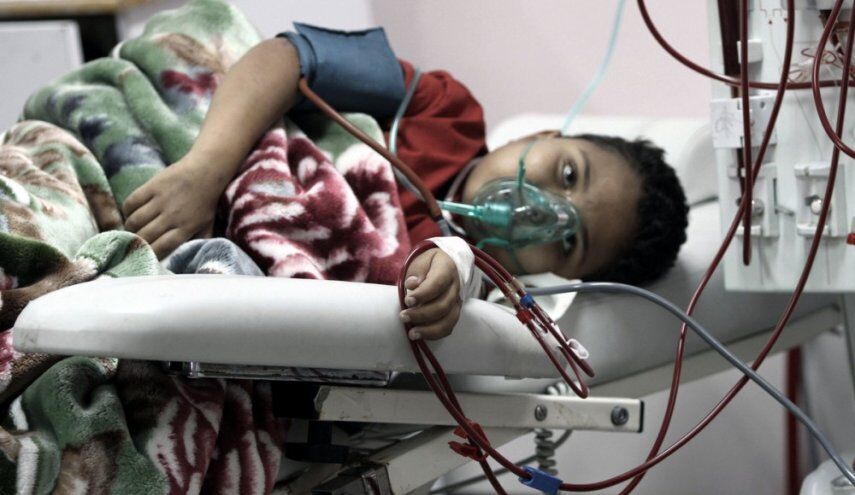
Cancer patients in Gaza face the risk of a slow death
840
Since the start of the Israeli offensive nearly two and a half years ago, the Gaza Strip has witnessed an unprecedented health crisis. Hospitals and medical centers have been targeted by bombing, rendering most of them inoperable. This comes at a time when the health system in the Strip is already suffering from a suffocating siege and a severe shortage of medicines and supplies.
These catastrophic conditions have directly impacted cancer patients, who find themselves facing the disease without treatment, without the ability to travel, and without a healthcare infrastructure capable of providing even the most basic care. With the continued bombing and disruption of medical facilities, the suffering of thousands of patients is intensifying, as they face the risk of a slow death in the absence of any effective international response.
The Palestinian Ministry of Health has warned of serious repercussions stemming from the severe shortage of medicines and medical supplies. The deficit has exceeded 66 percent of medical consumables and 84 percent of laboratory and blood bank materials, effectively meaning that stocks have reached zero.
The Ministry emphasized that the health system in Gaza is experiencing an unprecedented state of depletion after two years of war and siege. This has led to a sharp decline in the ability to provide diagnostic and treatment services, especially for cancer patients who require continuous care. According to World Health Organization reports up to the end of December 2025, the number of cancer patients in the Gaza Strip reached approximately 12,500, with more than 2,000 new cases diagnosed annually, including 122 children. This situation has arisen due to the closure of specialized hospitals and the near-complete cessation of intravenous chemotherapy and medical follow-up since mid-2022.
Reports issued by international organizations and humanitarian agencies have also confirmed the direct threat to the lives of hundreds of patients due to the interruption of treatment, noting that cancer patients are among the most vulnerable groups to death as a result of the lack of medication.