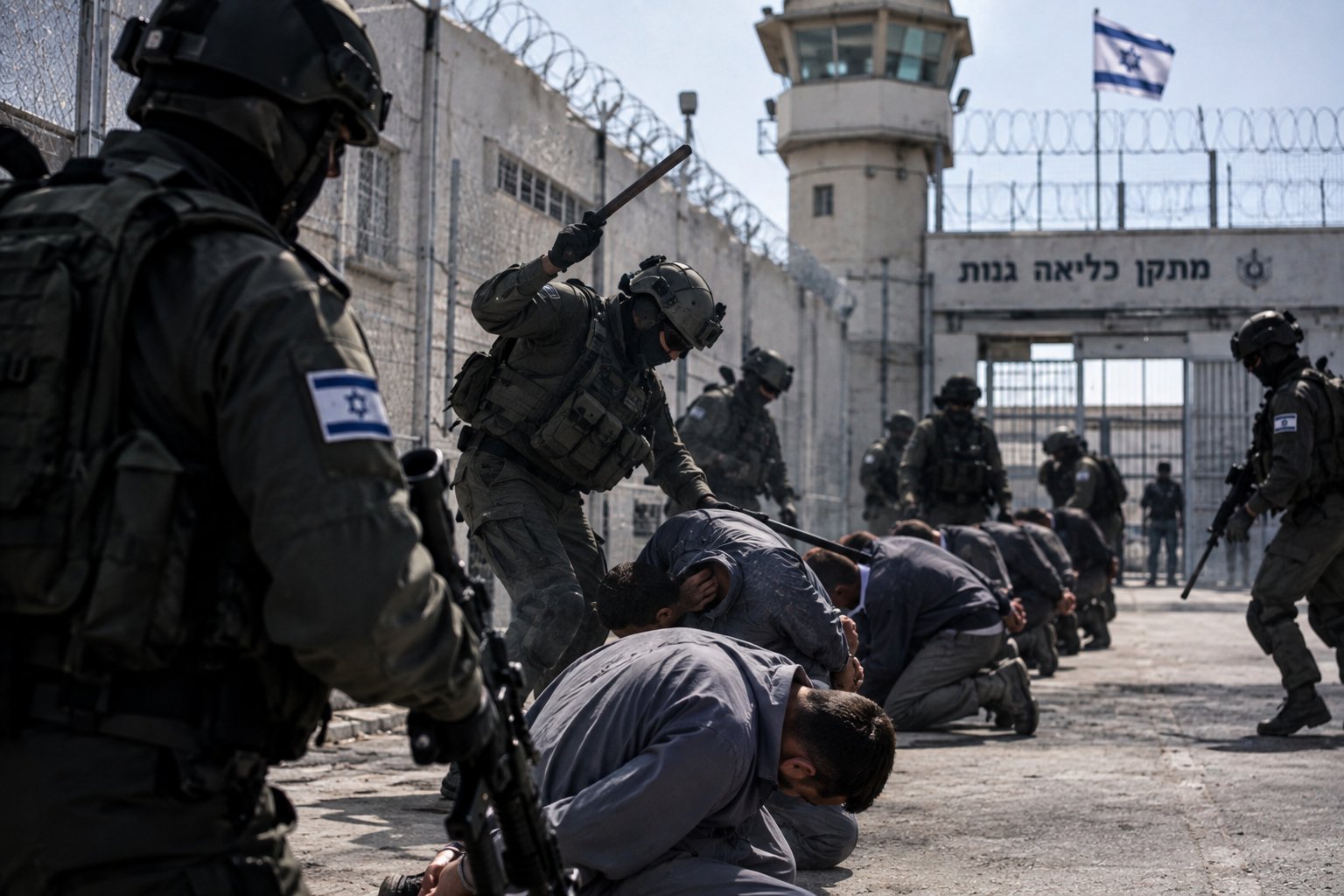
A systematic escalation of torture and neglect of medicine
373
A report prepared by the Prisoners’ Media Office, detailing the conditions of Palestinian prisoners and the most significant developments up to the end of September 2026, revealed the continued Israeli escalation against the prisoner movement. This escalation is manifested through the expansion of arrest campaigns, the intensification of repressive and punitive measures, and the imposition of harsh detention conditions, coupled with ongoing medical neglect, torture, and the denial of basic rights.
According to the report, the number of Palestinian prisoners in Israeli prisons is approximately 9,350, including 3,176 administrative detainees, about 90 female prisoners, 350 children, 25 veteran prisoners, 7 Palestinian members of parliament, and 15 prisoners from the Gaza Strip serving life sentences.
The Prisoners’ Media Office further explained that the number of arrests in the West Bank since the start of the war on the Gaza Strip has exceeded 25,000, amidst ongoing raids, mass arrests, field interrogations, and attacks on civilians.
The report indicated that among those detained were approximately 350 children, while the number of detained journalists reached 38, including 9 from the Gaza Strip. It also documented the deaths of 5 journalists in Israeli prisons.
The report further documented the deaths of 92 prisoners since October 7, 2023, including 13 serving life sentences. Six prisoners have died in Israeli prisons since the beginning of 2026, bringing the total number of martyrs in the Palestinian prisoners’ movement since 1967 to approximately 805. The Prisoners’ Media Office stated that prisoners are subjected to continuous beatings and abuse, in addition to humiliating searches, retaliatory practices, and severe restrictions on their daily lives within the prison sections.
The report also highlighted the spread of skin diseases, particularly scabies, due to the unsanitary and poorly ventilated detention conditions, the lack of clothing and personal items, and the ongoing policy of medical neglect, denying sick prisoners necessary treatment and examinations. The report confirmed that these policies have worsened the health conditions of prisoners, especially those with chronic diseases and serious injuries, due to delays in treatment and the lack of adequate medical care.