After Consuming 86% of Its Stockpile… Riyadh Turns to Other Countries to Escape the Cost of American Missiles
Saudi Arabia is heading toward diversifying the sources of its defensive armament to confront the depletion of its stockpiles of interceptor missiles and the high cost of countering the attacks.
Follow-ups — Al-Khabar Al-Yemeni:
After decades of reliance on American systems, Riyadh is searching for faster and less costly alternatives with Ukraine and South Korea, along with strengthening its cooperation with France, Britain, Pakistan, Turkey, Egypt, and Greece; where it concluded a missile deal with South Korea worth 3.2 billion dollars — according to “Bagash” monitoring — and an agreement with Ukraine to buy low-cost interceptor drones.
Data reported by the “Los Angeles Times” reveals that it consumed about 86% of its interceptor stockpile by July, and the scene was further complicated by the Houthis’ targeting of Riyadh International Airport — which caused 13 dead and more than 300 wounded — along with oil facilities and sovereign headquarters.
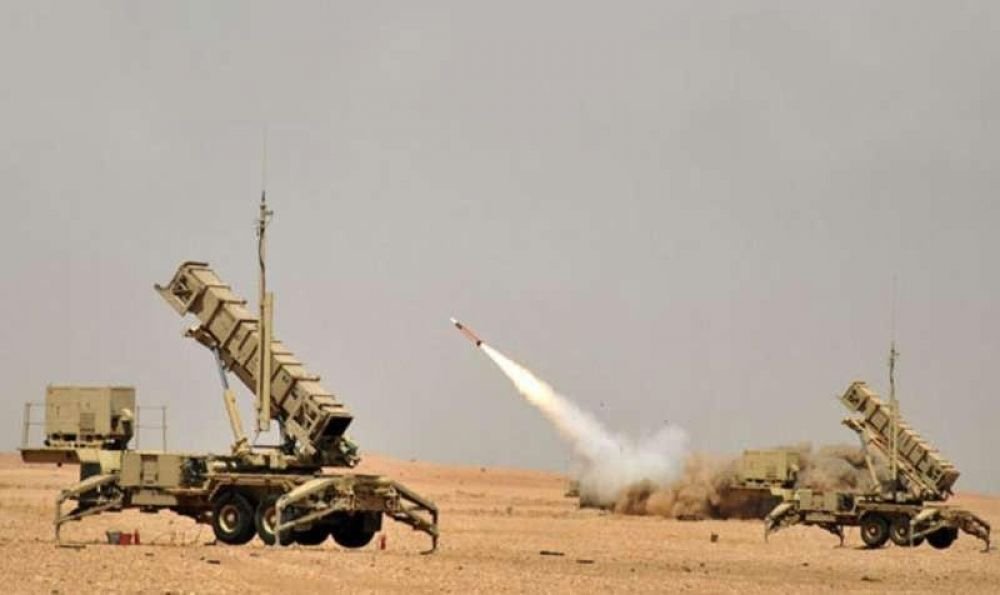
Although Congress approved a 9 billion dollar deal to buy 730 “Patriot PAC-3” missiles, the pace of delivery remains slow; as the production of the missile at “Lockheed Martin” takes up to 30 months, and the contracts for doubling production will not bear fruit before 2030 amid intense international competition. Here an economic dilemma stands out, where a “Patriot” missile costs 4 million dollars and “THAAD” 12 million, compared to tens of thousands for the attacking projectiles, to which is added the difficulty of covering the vast area of the Kingdom with radar.