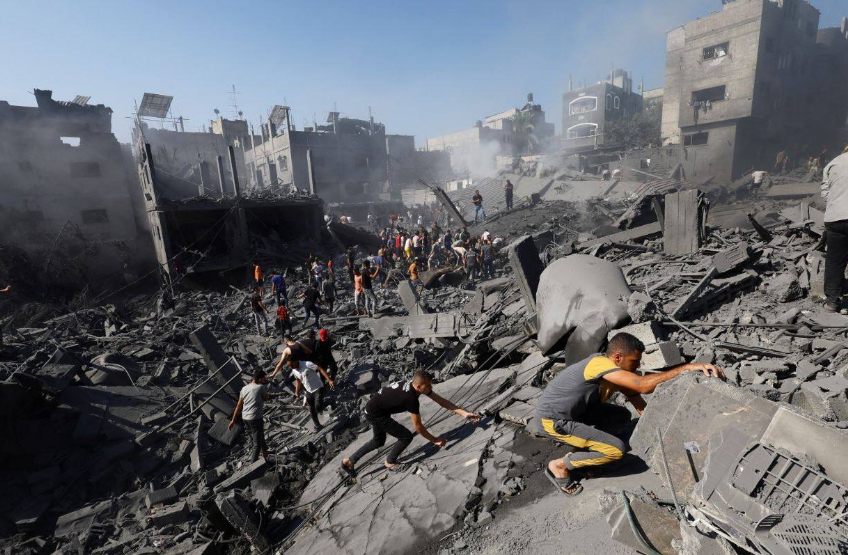
Gaza Health Director: The health sector in Gaza is on the verge of complete collapse
98
The Palestinian Ministry of Health in the Gaza Strip issued another warning today, stating that the critical shortage of medicines and medical supplies in hospitals has reached catastrophic levels.
Dr. Munir al-Barsh, the ministry’s director general in the Strip, told the Qatar News Agency (QNA) that 52 percent of essential medicines, 71 percent of medical supplies, and 70 percent of laboratory supplies are completely out of stock.
According to al-Barsh, the shortage of cancer medications has reached 71 percent, while 90 percent of orthopedic surgery supplies have disappeared, forcing thousands of wounded individuals to seek treatment abroad due to the unavailability of basic surgical equipment.
The ministry has recorded approximately 6,000 amputation cases requiring physical and psychological rehabilitation programs, prosthetic limbs, and wheelchairs. Furthermore, the level of psychological trauma among the injured is high, and even basic painkillers are unavailable.
He added that the orthopedic, nephrology, dialysis, ophthalmology, general surgery, operating rooms, and intensive care units are facing catastrophic challenges due to the shortage of medical supplies.
Al-Barsh added that 82 percent of children under one year old in Gaza suffer from anemia, stressing that these figures reveal the depth of the humanitarian catastrophe in the besieged Strip and contradict the Israeli narrative regarding the food situation.
He pointed out that basic supplies such as medical gauze are unavailable in the Strip’s hospitals, and that the remaining intravenous fluids will only last for a few weeks, at a time when hospitals are unable to even provide primary care. Meanwhile, fuel and communication shortages have brought medical laboratories to a near standstill.
The Director General of the Ministry of Health in Gaza warned against the misleading image the Israeli occupation is keen to project to the world by allowing the entry of non-essential consumer goods while simultaneously preventing the entry of essential medical equipment and supplies, thus exacerbating the health crisis in the Gaza Strip.
He explained that the Ministry of Health in Gaza receives only two truckloads of medical aid per week, out of the five truckloads that enter the Gaza Strip, with the remainder being distributed to international organizations. He emphasized that the amount received by the Ministry of Health is “insignificant” compared to the enormous need.