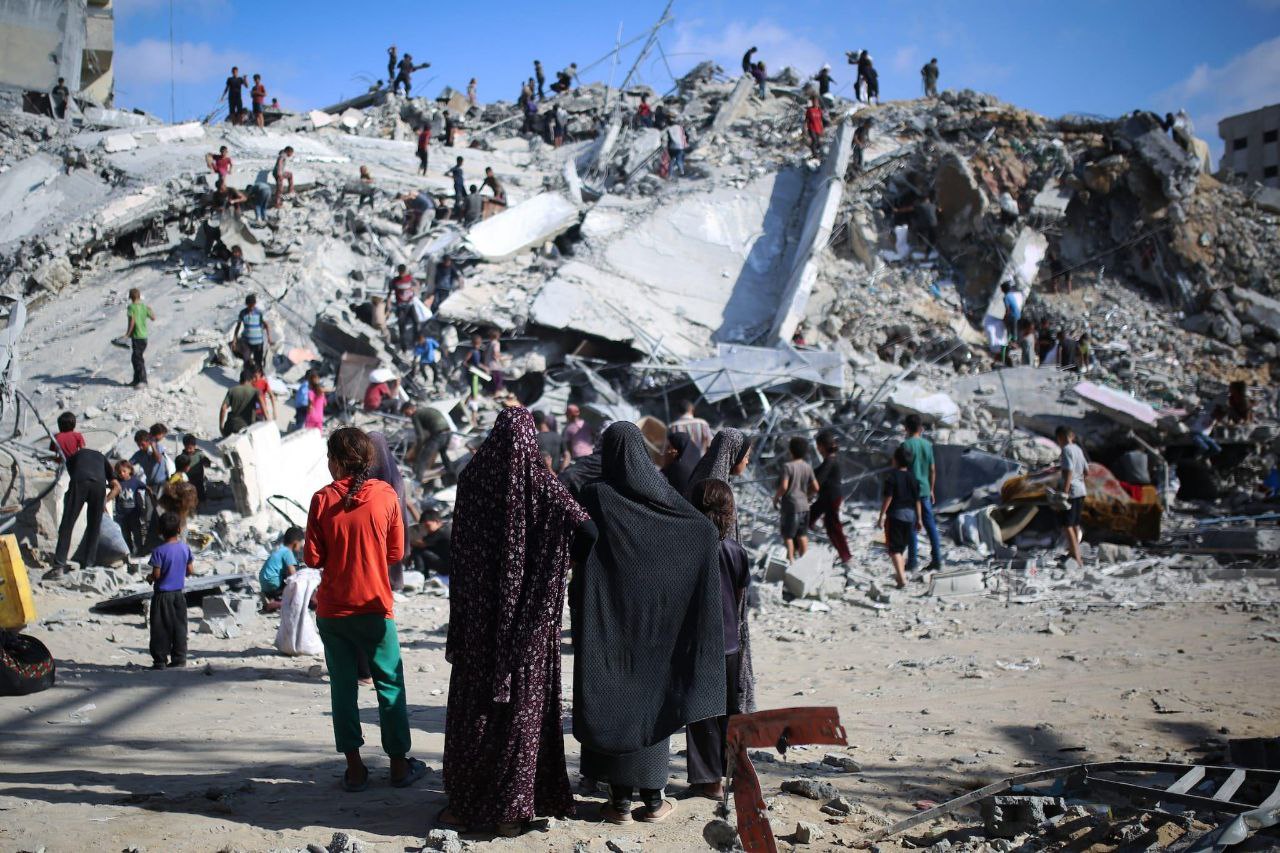
Amidst the rubble… in Gaza, the debris becomes a lifeline fraught with death
178
The rubble in the Gaza Strip is no longer just a silent witness to a devastating war; it has become a harsh work environment and a perilous source of income for thousands of young men who find themselves forced to sift through the debris in search of anything they can sell or anything to feed their children, who await the end of another day with no guarantees.
According to recent estimates, the war in Gaza left approximately 169 kilograms of rubble per square meter of the Strip’s area. This figure reflects the immense destruction that affected some 193,000 buildings, either completely or partially.
Meanwhile, government estimates indicate that the accumulated amount of rubble may range between 65 and 70 million tons, and it continues to increase daily, making the removal process an unprecedented engineering, environmental, and humanitarian challenge.
Behind these stark figures lie the stories of real people whom the war has transformed from laborers, craftsmen, and university students into scavengers in the rubble of their own homes and those of their neighbors.
Abu Khaled Touman, a 42-year-old father of five from northern Gaza, says he never imagined his daily work would involve scavenging for scrap metal, copper, and electrical wires among the rubble.
“I used to work in an aluminum workshop. Today, the workshop is just a pile of stones. All that’s left for me is rubble,” he says, wiping the dust from his face. Abu Khaled goes out at dawn, carrying rudimentary tools, and returns at sunset with barely enough to buy bread.
The dangers aren’t limited to the physical; they extend to the profound psychological impact. Working among the ruins of homes brings back memories of bombings and loss, and forces young men into a daily confrontation with images of death.
Despite all this, these young men don’t see themselves as heroes or victims, but as fathers and brothers trying to survive. “We’re not building from the rubble,” Abu Khaled says as he prepares for another day of work. “We’re just trying to live.”