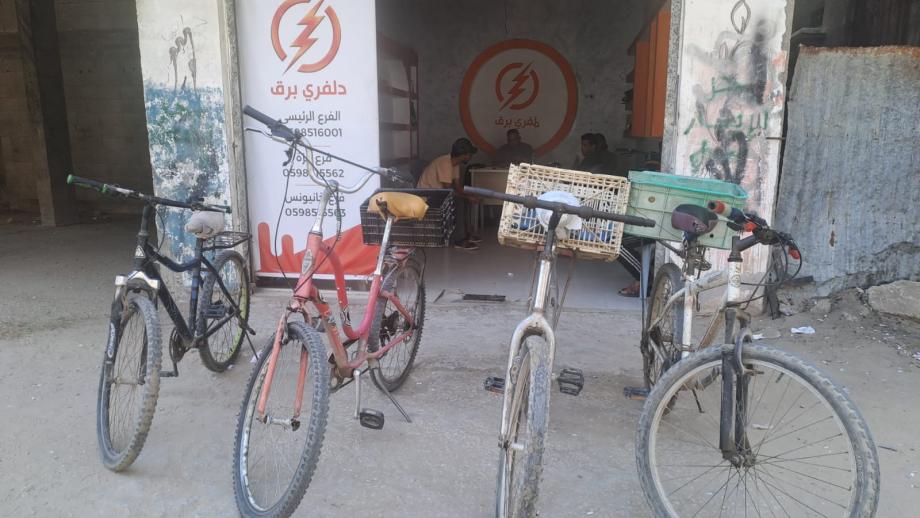
Shortage of bicycle spare parts exacerbates the transportation crisis in Gaza
845
Bicycles have become the primary means of transportation in the Gaza Strip after most other forms of transport were disrupted due to fuel shortages and widespread infrastructure damage. However, the unprecedented shortage and price hikes in spare parts have added a new challenge for thousands of Gazans who rely on them for their daily commutes and livelihoods.
Bicycle repair shop owners confirm that spare parts have become extremely rare, and when available, they are sold at exorbitant prices beyond the reach of most citizens. They point out that some parts that were once inexpensive have multiplied in price many times over, while others now cost hundreds of shekels, despite being difficult to find, according to Al Jazeera.
Workers in the bicycle repair sector say the crisis has directly impacted their ability to meet customer demand, at a time when reliance on bicycles has increased due to the lack of other transportation options. Faced with this reality, some have resorted to alternative solutions, including reusing damaged parts or dismantling others to extend their lifespan and serve as many customers as possible. The suffering of residents is not limited to the shortage of spare parts; it extends to the difficult riding conditions. The damaged and rugged roads increase breakdowns and accelerate the wear and tear of bicycles, thus exacerbating the need for maintenance amidst a lack of basic supplies.
Cyclists confirm that they are forced to search throughout the Gaza Strip for suitable spare parts, often in vain, while others find them at exorbitant prices beyond their means.
Maintenance shop owners and citizens call on the concerned authorities to work to find solutions to this crisis, considering that bicycles have become the main artery of mobility and a means that many rely on to reach their work and deliver orders to homes and shelters. With the Israeli occupation authorities continuing to prevent the entry of fuel to operate vehicles, the bicycles emerged as a practical option to confront the transportation crisis, and turned into a means of transportation and work at the same time, despite the challenges surrounding their use of the lack of maintenance requirements.