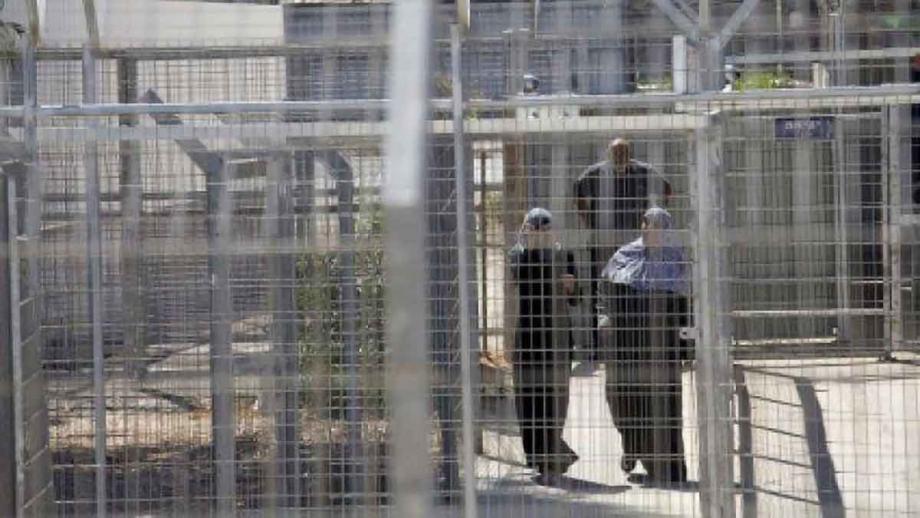
Palestinian female prisoners: Harsh humanitarian conditions and escalating Zionist abuse during Ramadan
49
The suffering of Palestinian female prisoners in Israeli jails intensifies during the holy month of Ramadan, as they spend their fasting days away from their families and children, in harsh conditions that lack the most basic necessities for human life.
While families gather around the iftar table, dozens of mothers live behind bars, enduring pain and deprivation amidst escalating punitive measures and administrative restrictions, transforming the holy month into a new chapter of daily suffering and hardship.
Hassan Abd Rabbo, advisor to the Palestinian Prisoners’ Affairs Commission, stated that approximately 70 Palestinian female prisoners, including 24 mothers, are spending Ramadan in Damon Prison. Their families welcome the month with empty chairs and a painful absence that weighs heavily on the daily lives of their children and loved ones.
Abd Rabbo explained that the majority of the female prisoners are detained on charges of so-called “incitement,” and include journalists, university students, and minors. He emphasized that the occupation continues to prevent family visits and imposes severe restrictions on lawyers, exploiting the ongoing state of emergency to perpetuate isolation and violations.
He pointed to the case of 10-year-old Elia Melitat, who is spending this Ramadan without her parents, who are administratively detained. He noted that she receives news of them through their lawyers instead of sharing the Iftar meal with them, a scene that encapsulates the immense suffering endured by the families of prisoners.
Based on testimonies from released female prisoners, Abdel Rabbo revealed that the prison administration deliberately prevents female prisoners from knowing the start date of Ramadan by prohibiting the entry of prayer timetables or any other means of determining the times. This forces them to rely on guesswork or guesswork to determine the fasting hours.
He explained that the meals are served to the female prisoners cold and all at once, with both Iftar and Suhoor meals being given together. These meals consist of a soup that is barely more than water, unclean water, and in quantities insufficient to satisfy their hunger, in clear violation of their basic rights.