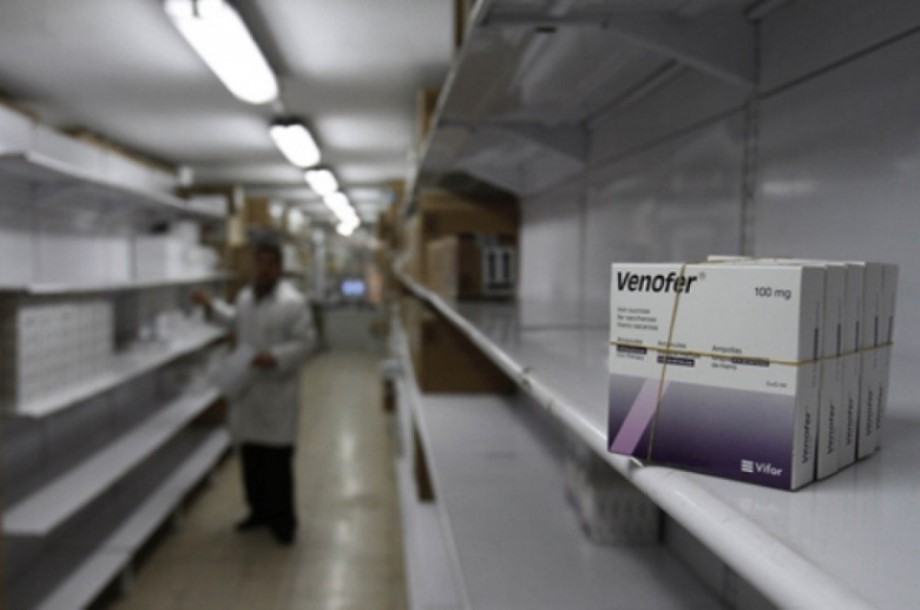
Drug shortages in Gaza… Patients scramble for treatment and lives hang in the balance
964
For nine continuous hours, 44-year-old Moataz Aziz went from pharmacy to pharmacy and medical clinic in Khan Younis, searching for a pill to alleviate the pain of his chronic illness. His deteriorating health eventually forced him to go to Al-Amal Hospital, where doctors were able to provide him with the medication from within the intensive care unit.
This scene is no longer an isolated incident, but has become a daily reality for thousands of patients with chronic diseases in the Gaza Strip. This is due to a severe shortage of essential medications, caused by the strict restrictions imposed by the Israeli occupation on their entry. According to specialists, this constitutes a silent war directly targeting patients and threatening their lives with serious complications that could lead to death.
Aziz suffers from myasthenia gravis, a chronic disease that causes muscle weakness and degeneration. He says he lives in a constant state of anxiety because of the frequent interruptions in his medication supply. He is forced to search for hours every day for a dose to relieve his pain, to no avail. He confirms that doctors have warned him that any interruption in his treatment could endanger his life at any moment. In the same context, pharmacist Dr. Khaled Odeh explained that the Gaza Strip is experiencing an unprecedented shortage of medications for chronic diseases, particularly those for heart disease, diabetes, hypertension, and thyroid disorders. He noted that medical staff are sometimes forced to adjust treatment plans based on availability, but the crisis worsens when patients discover that even the same medications are unavailable.
Odeh pointed out that thyroid medication has been unavailable for about three months, with no alternatives, even within hospitals. He warned that this shortage poses a direct threat to patients’ lives and could lead to uncontrollable health complications.
Odeh cautioned that the continued shortage of medications could lead to strokes, heart attacks, enlarged heart muscle, and irregular heartbeats in hypertensive patients, in addition to serious kidney and liver damage in diabetic patients.
For his part, the Director General of the Ministry of Health in Gaza, Dr. Munir Al-Barsh, said that the severe shortage of medicines for chronic diseases has reached dangerous and unprecedented levels, stressing that the health system in the sector is operating in catastrophic conditions due to the continued aggression, the closure of crossings, and the control over the entry of medicines and medical supplies.